
Applications Of Gold Printing
Gold is a valuable and versatile metal that has various applications in electronics. Here are some of the most common uses of gold in electronics:
Connectors: Gold is an excellent conductor of electricity and does not corrode easily, which makes it ideal for use in connectors. Gold-plated connectors are commonly used in audio and video equipment, computers, and mobile devices.
Circuit boards: Gold is also used in the manufacturing of printed circuit boards (PCBs) due to its high conductivity, resistance to corrosion, and low reactivity. Gold is commonly used in the plating of contacts and vias, which are essential components of electronic circuits.
Memory devices: Gold is used in memory devices such as RAM and ROM due to its high reliability and resistance to corrosion. Gold is used to bond the silicon chips to the package leads in these devices.
Thermal management: Gold is an excellent thermal conductor, and it is often used in heat sinks and other thermal management components in electronic devices. This helps to dissipate heat and prevent overheating, which can damage electronic components.
Wearables: Gold is also used in wearable devices such as smartwatches and fitness trackers. Gold plating is used in the connectors and contacts to ensure reliable connectivity, even in harsh environments.
In conclusion, gold is a critical component in the manufacturing of electronic devices due to its excellent conductivity, resistance to corrosion, and low reactivity. Its versatility and reliability make it an ideal material for use in various applications in electronics.
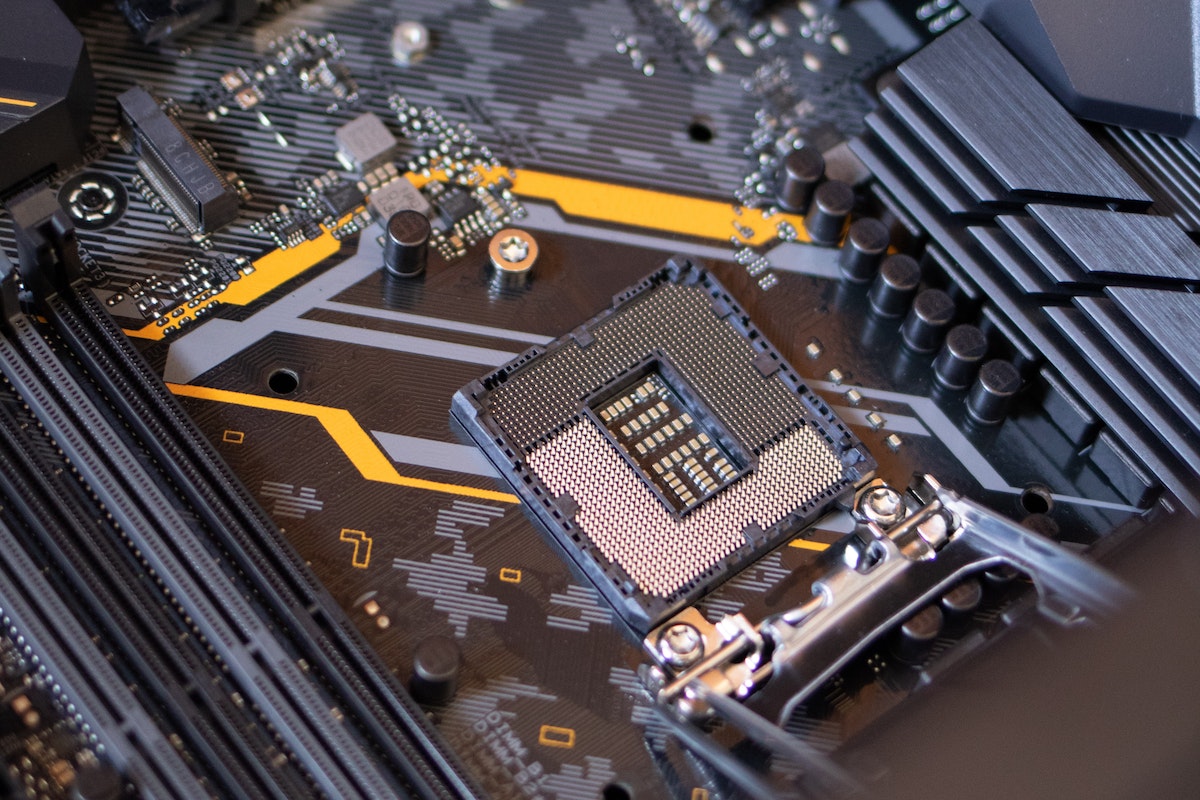
Gold In Electronics
Gold is a highly valued material in the electronics industry due to its unique properties. One of the primary functions of gold in electronics is as a conductor of electricity.
Gold is an excellent conductor that is highly resistant to corrosion and oxidation, making it ideal for use in electronic components such as connectors and switches.
Gold is also used in the manufacturing of microchips and other electronic components due to its ability to form strong and stable bonds with other metals.
Additionally, gold is a highly reflective material, making it useful in the production of mirrors and other optical components.
Overall, the use of gold in electronics is critical to the functioning and reliability of many electronic devices. Its unique properties make it an ideal material for a variety of applications, and its value has made it a sought-after commodity in the industry.
- The Benefits and Uses of Electroplating Chemicals in Industrial Applications
- The Role of Electroplating Chemicals in the Production of High-Quality Electronics
- A Guide to Selecting the Right Electroplating Chemicals for Your Application
- Understanding Gold Bonding Wire and Its Use in the Electronics Industry
- The Advantages of Gold Bonding Wire over Other Bonding Materials
- How Gold Bonding Wire Contributes to the Reliability and Performance of Electronic Devices
Electroplating Chemicals, Gold Bonding Wire and Sputter Targets


Sputter Targets
Sputter targets with gold are used in the process of sputtering, which is a technique commonly used in the production of thin films and coatings for various applications in the electronics, optics, and aerospace industries.
Gold sputter targets are particularly popular due to the unique properties of gold, which make it an ideal material for many of these applications.
Gold sputter targets are typically made from high-purity gold and are used to deposit a thin layer of gold onto a substrate through a process known as physical vapor deposition.
This process involves bombarding the gold sputter target with high-energy particles, causing atoms to be ejected from the surface and deposited onto the substrate.
The resulting thin film of gold is highly reflective, making it ideal for use in optical and decorative applications. Additionally, gold is an excellent conductor of both heat and electricity, making it a popular choice for use in electronic components.
Overall, sputter targets with gold play an important role in the production of a wide range of high-quality products, from advanced electronics to high-performance optical coatings